
Eligibility Assessment
Confirm whether your Croatia ancestry creates a viable citizenship claim under current rules.
Learn moreCroatia citizenship
Reclaim your Croatian heritage and obtain EU citizenship
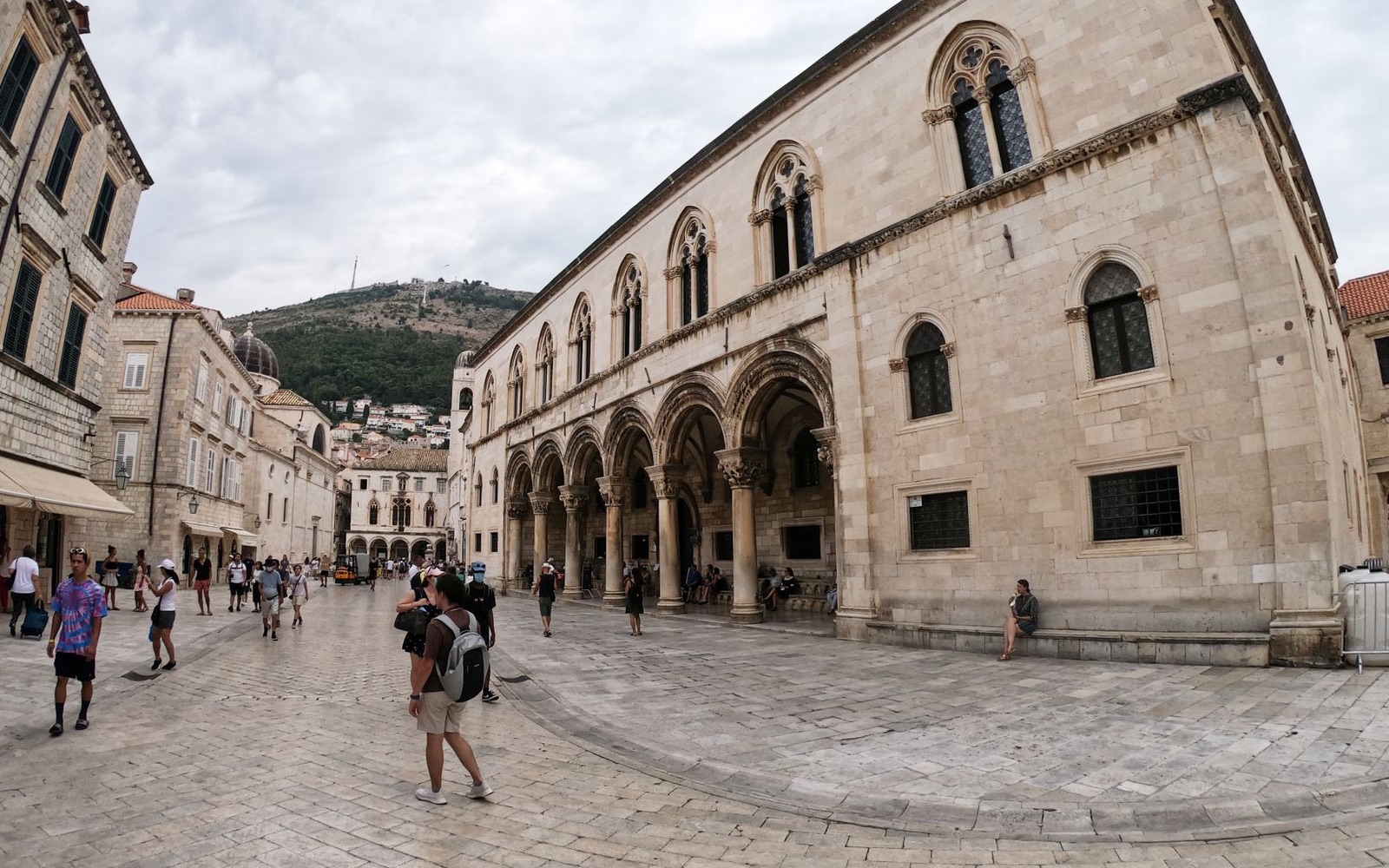
From question to filing
Practical support from first eligibility check to final documents.
Confirm whether your Croatia ancestry creates a viable citizenship claim under current rules.
Learn moreGather birth, marriage, and nationality records that prove the unbroken Croatia family chain.
Learn morePrepare and submit your Croatia citizenship by descent file to the competent authority.
Learn moreAfter recognition, plan civil registration and passport issuance steps for you and your family.
Learn more
A personal route
Reclaim your Croatian Heritage and obtain EU citizenship through your ancestors.
Croatia offers a citizenship by descent program that allows individuals with Croatian ancestry to reclaim their heritage and secure European Union citizenship. If you have a Croatian parent or grandparent who maintained their Croatian citizenship, you may be eligible to join thousands of descendants worldwide who have successfully obtained Croatian citizenship and EU passports.
Croatian citizenship by descent provides you with a gateway to the European Union, granting you the right to live, work, study, and retire anywhere across the EU's 27 member states, plus Switzerland. With a Croatian passport offering visa-free access to 184 destinations worldwide, representing 85% global reach, this citizenship represents one of the most valuable travel documents available.
The Croatian citizenship by descent program is rooted in Article 11 of the Croatian Citizenship Act, which recognizes descendants of Croatian emigrants who left before independence in 1991. Whether your ancestor emigrated from Croatia decades ago or your family maintained connections to Croatia throughout generations, this pathway offers a meaningful way to reconnect with your Croatian roots while securing substantial practical benefits.
CitizenX expertly handles your entire citizenship by descent application, simplifying complex Croatian laws and helping you prove your lineage by consulting various institutions and archives, all the way to receiving your Croatian passport, all without requiring any presence in Croatia. Our comprehensive $15,000 service manages the entire process remotely.
Croatian citizenship by descent, known in Croatia as stjecanje hrvatskog državljanstva prirođenjem (or prirođenje for short), allows individuals to claim Croatian citizenship based on their lineage from Croatian ancestors who emigrated before Croatia's independence.
The legal foundation is Article 11 of the Croatian Citizenship Act , which provides that you qualify for citizenship if you have a direct ancestor who left Croatia before independence in 1991 without renouncing their citizenship. Importantly, that ancestor cannot have left on the "basis of an international agreement" or moved to a state that was also part of Yugoslavia at the time.
This pathway reflects Croatia's commitment to maintaining connections with its diaspora, the millions of Croats and their descendants who emigrated throughout the 20th century, particularly during periods of economic hardship under Austro-Hungarian rule, interwar Yugoslavia, communist rule, and the Yugoslav wars of the 1990s.
What makes Croatian citizenship by descent particularly valuable is Croatia's position as one of the EU's newest members (joined 2013) and its stunning Adriatic coastline. Croatian citizenship provides full EU rights while offering access to one of Europe's most beautiful countries, with its Mediterranean climate, historic coastal cities, and growing economy.
Croatia's complex 20th-century history is essential to understanding eligibility:
Pre-1918: Croatian lands were part of the Austro-Hungarian Empire
1918-1991: Croatia was part of various Yugoslav states:
October 8, 1991: Croatia declared independence from Yugoslavia
2013: Croatia joined the European Union
The October 8, 1991 date is critical, it marks Croatia's independence and is the cutoff date for the emigrant citizenship program.
To qualify for Croatian citizenship by descent, you must have a Croatian ancestor connected to you in a direct line who permanently left Croatia to live abroad before independence.
Croatian citizenship by descent is available to:
No Generational Limit: Since January 2020, there is no formal limit to how many generations back you can go, provided you can prove the connection and your ancestor's emigration abroad. This makes Croatia one of the more generous European countries for ancestry-based citizenship.
Your Croatian ancestor must meet all of the following conditions:
Left Croatia Before October 8, 1991
Your ancestor must have permanently moved abroad before Croatia declared independence on October 8, 1991. This is the most critical date in Croatian citizenship law.
Your ancestor must be considered a "Croatian emigrant" under the law, meaning they left Croatian territory to live permanently abroad.
Did Not Move to Another Yugoslav Republic
Your ancestor must NOT have left Croatia to move to another country within Yugoslavia (Serbia, Bosnia and Herzegovina, Slovenia, Montenegro, Macedonia/North Macedonia). Movement within Yugoslavia does not qualify as emigration for citizenship purposes.
Your ancestor must not have returned to live in Croatia after emigrating. If they went abroad but later came back to Croatia permanently, they are not considered emigrants.
Your ancestor must not have formally renounced their Croatian/Yugoslav citizenship through official channels.
Unique Advantage: If you qualify for Croatian citizenship by descent, your spouse is also eligible for immediate Croatian citizenship by marriage with NO residency requirement.
This is an exceptional benefit not offered by most European descent programs. Typically, spouses must pursue separate naturalization requiring years of residence. Croatia's program allows couples to obtain citizenship together.
If you are a Croatian born on Croatian territory who permanently moved abroad before 1991, you may also qualify to reclaim citizenship under this provision.
You may be disqualified from Croatian citizenship by descent if your ancestor:
Disqualification: Your ancestor left Croatia to move to another country within Yugoslavia or former Yugoslavia (Serbia, Bosnia and Herzegovina, Slovenia, Montenegro, Macedonia)
Why: Movement between Yugoslav republics was internal migration, not emigration. The law specifically requires emigration outside of Yugoslavia.
Disqualification: Your ancestor left Croatia after October 8, 1991 (after independence)
Why: The program is specifically for pre-independence emigrants and their descendants. Post-independence emigrants follow different citizenship rules.
Disqualification: Your ancestor returned to live in Croatia after emigrating
Why: Returning to live in Croatia means they were no longer emigrants. The program is for those who permanently settled abroad.
Disqualification: Your ancestor left Croatia on the basis of an international agreement
Why: Certain population exchanges and organized emigrations under international treaties are excluded from the emigrant citizenship program.
Disqualification: If you yourself are a Croatian emigrant who moved to another country within Yugoslavia
Why: Same principle, movement within Yugoslavia doesn't qualify.
Disqualification: If you yourself are a Croatian emigrant who left Croatia after October 8, 1991
Why: Post-independence emigrants follow different rules.
Disqualification: If you were a Croatian emigrant but returned to live in Croatia
The October 8, 1991 date is absolutely critical to Croatian citizenship by descent eligibility.
On October 8, 1991, Croatia formally declared independence from Yugoslavia. This marked the birth of the modern Croatian state and the beginning of Croatian citizenship as distinct from Yugoslav citizenship.
The citizenship by descent program (Article 11) was designed specifically for:
The cutoff ensures the program serves its intended purpose: reconnecting with the historical diaspora, not creating a pathway for recent emigrants.
Understanding Croatian emigration patterns helps explain why millions of people worldwide may qualify for citizenship:
Mass emigration from Croatian lands (then part of Austria-Hungary) to:
Economic hardship and limited opportunities under Austro-Hungarian rule drove hundreds of thousands to leave.
After formation of Kingdom of Yugoslavia, continued economic emigration to Americas, particularly United States and South America.
Post-World War II Communist Era (1945-1991):
Many settled in Western Europe, North America, South America, and Australia.
During the war, hundreds of thousands were displaced, though this is after the October 8, 1991 cutoff for the descent program.
Estimated Croatian Diaspora: 2-4 million people worldwide (Croatia's current population is about 4 million)
If your spouse is applying for citizenship by marriage (available with no residency requirement):
Evidence that your ancestor emigrated from Croatia:
Complete Chain of Birth and Marriage Certificates:
You must provide birth certificates and marriage certificates for each generation connecting you to your Croatian ancestor.
Each link in the chain must be documented to prove direct lineal descent.
CitizenX expertly handles your entire citizenship by descent application, simplifying complex Croatian laws and helping you prove your lineage by consulting various Croatian institutions and archives, all the way to receiving your Croatian passport, without requiring any presence in Croatia.
Your journey begins with a comprehensive eligibility assessment. CitizenX's Croatian citizenship experts will:
CitizenX's team accesses Croatian archives and institutions to locate your ancestor's documents:
Simultaneously, CitizenX assists you in gathering documents from your country:
You must prove your ancestor permanently emigrated from Croatia before October 8, 1991.
All foreign documents must be properly authenticated:
All documents not in Croatian must be officially translated:
CitizenX prepares your complete Croatian citizenship application:
If your spouse is applying for citizenship by marriage:
Croatian citizenship by descent applications are submitted:
If You Have Legal Residence in Croatia:
If you are disabled or unable to submit in person:
Croatian citizenship by descent applications have especially long processing times:
All official communications with Croatian authorities are in Croatian. CitizenX handles all correspondence, translation, and interpretation on your behalf.
Decision on Admission to Croatian Citizenship:
Important: If your application is denied, you have 30 days to submit a complaint ( tužba ) to the administrative court. CitizenX can assist with appeals if needed.
Once citizenship is granted, you can apply for Croatian documents in this order:
We help you obtain all Croatian identity documents:
As a Croatian citizen, you gain:
Full EU citizenship with all associated rights:
Croatian citizenship automatically passes to your children:
Children Born After Citizenship: Children born after you obtain Croatian citizenship are automatically Croatian citizens by birth, regardless of where they're born.
Children Born Before Citizenship: Children born before you obtained citizenship can apply for Croatian citizenship as your descendants once your citizenship is confirmed.
Multi-Generational Asset: Croatian citizenship creates lasting value for your family, providing options and opportunities for generations to come throughout the European Union.
Croatia fully allows dual citizenship without restrictions:
Most Western democracies (U.S., Canada, UK, Australia) allow dual citizenship and are compatible with Croatian citizenship.
Many descendants who obtain Croatian citizenship eventually choose to visit or live in Croatia:
Croatian citizenship by descent involves intricate requirements, particularly:
CitizenX's team specializes in Croatian citizenship law and understands all the nuances.
If you qualify, your spouse can obtain Croatian citizenship simultaneously with no residency requirement . CitizenX manages both applications together:
This exceptional benefit means couples can obtain EU citizenship together.
Perfect for busy professionals, families, or anyone unable to travel to Croatia.
Croatian applications take 2+ years. CitizenX provides:
CitizenX has successfully helped thousands of clients obtain citizenship through descent programs across Europe. Our expertise in Croatian citizenship law and relationships with Croatian authorities ensure your application is prepared to the highest standards.
The October 8, 1991 cutoff is absolute. Applicants must definitively prove their ancestor left Croatia before this date, which can be challenging if emigration occurred decades earlier.
Movement from Croatia to Serbia, Bosnia, Slovenia, or other Yugoslav republics does NOT qualify as emigration. Applicants must prove ancestor left Yugoslavia entirely, not just Croatia.
Croatian citizenship applications take 24+ months (2+ years), creating uncertainty and requiring patience.
Croatian birth certificates, citizenship documents, or emigration records from pre-1991 may be difficult to locate, especially for ancestors from smaller towns.
Applicants must prove ancestor never returned to live in Croatia after emigrating, which can be challenging to document negatively.
Name changes, adoptions, divorces, remarriages, and gaps in documentation can complicate proving the generational chain.
Yes, you can obtain Croatian citizenship through your grandparents, provided they were Croatian citizens who permanently emigrated from Croatia before October 8, 1991, and didn't move to another Yugoslav republic or return to Croatia. You'll need to prove the unbroken generational chain from your grandparent through your parent to you.
As long as your ancestor emigrated before October 8, 1991 and never returned to live in Croatia, you likely qualify. The date of death doesn't matter, what matters is when they emigrated and whether they stayed abroad.
Yes! This is one of Croatian citizenship by descent's unique advantages. If you qualify for citizenship by descent, your spouse is eligible for immediate Croatian citizenship by marriage with NO residency requirement . CitizenX can coordinate both applications simultaneously.
No, there is no language requirement for Croatian citizenship by descent. Unlike naturalization programs requiring Croatian language proficiency, descent-based citizenship is a recognition of citizenship through your ancestry. CitizenX handles all Croatian-language communications with authorities.
Approximately 24 months (2 years) from application submission to citizenship approval, though many applications take even longer. Applications processed through consulates abroad can take longer than domestic applications. The long timeline requires patience, but CitizenX provides support throughout.
Yes, Croatia allows dual citizenship without restrictions. You can maintain your current citizenship while obtaining Croatian citizenship. Croatia won't require you to renounce any other citizenship. Verify your current country's dual citizenship laws (most Western democracies allow it).
Unfortunately, movement from Croatia to another Yugoslav republic (Serbia, Bosnia and Herzegovina, Slovenia, Montenegro, Macedonia) does NOT qualify as emigration for citizenship purposes. Your ancestor must have left Yugoslavia entirely and settled in a non-Yugoslav country.
No, the process is handled remotely. Applications can be submitted through Croatian consulates in your country of residence. CitizenX's 100% online service means you never need to visit Croatia, we coordinate all archival research, document collection, and submission remotely.
Missing Croatian documents are common, especially for older records. CitizenX's Croatian research team specializes in locating documents through:
Our on-the-ground researchers can access archives that individuals typically cannot.
Children born after you obtain Croatian citizenship are automatically Croatian citizens by birth, regardless of where they're born. Children born before you obtained citizenship can apply for Croatian citizenship as your descendants once your citizenship is confirmed.
CitizenX's service fee is $15,000 , which includes:
Government fees (birth certificates, passports, etc.) are additional but minimal.
Croatia recognizes its vast diaspora (2-4 million worldwide) and maintains that descendants of Croatian emigrants remain part of the Croatian nation. The program honors the historical emigration that occurred under Austro-Hungarian rule, Yugoslav periods, and communist era, allowing descendants to reconnect with their heritage.
Ready to reclaim your Croatian heritage? Contact CitizenX to begin your eligibility assessment and start your journey to EU citizenship and life on the Adriatic.
184 visa-free countries. No presence required. Spouse eligible with no residency requirement.
Tell us your family story and we will outline the strongest next step.